CoinPoker Europe Players Get $7M CoinRewards and $30M Battle of Malta Online Series
29 Jun 2026Read More
Poker Player Loses £100K Lawsuit Over “Hit and Run” Ban at London’s Hippodrome Casino
- Poker player's £100,000 lawsuit over casino ban dismissed in court.
- Focus was on conduct & internal concerns, not just 'hit and run' strategy.
- Casinos retain the right to refuse service and set entry conditions.
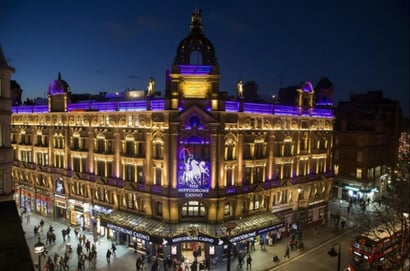
A legal battle that touched on the unwritten etiquette of live cash games has officially reached its conclusion. Dr. Mortaza Sahibzada, a poker player who sued London’s Hippodrome Casino for £100,000 after being barred from the Leicester Square venue in September 2023, has lost his case at the Central London County Court.
While Sahibzada argued he was unfairly targeted for his disciplined, short-session poker strategy, the presiding judge ruled that the casino maintained the ultimate authority to dictate who may enter and utilize its services.
The "Hit and Run" Dispute
At the center of the lawsuit was Sahibzada’s highly specific approach to cash game poker. During the hearings, he told the court that his strategy revolved around playing strictly short sessions. Rather than remaining at the table and giving opponents a chance to win their money back, he would consistently cash out and leave after securing a modest win of around £75.
In the poker community, this style is colloquially known as a “hit and run.” While the tactic is completely legal and within the rules of the game, it carries a heavy social stigma in live poker rooms, where regular players and operators generally expect longer sessions and active table dynamics. However, Sahibzada defended the practice, claiming it was a carefully calculated strategy that allowed him to earn upward of £2,000 a month. He described himself to the court as a skilled player who had mastered the art of playing short hours to hit modest targets.
Casino Cites Conduct, Not Strategy
The Hippodrome Casino strongly pushed back against the narrative that the ban was strictly a punishment for cashing out too quickly.
Representing the casino, barrister Harry Stratton informed the court that Sahibzada’s membership suspension was actually the result of several unpleasant interactions with venue staff, compounded by internal concerns regarding problem gambling. During the proceedings, Sahibzada also attempted to raise claims of race discrimination and breach of contract. However, Judge Andrew Holmes determined that the claims failed to disclose clear, actionable grounds.
The Verdict and the Cost
Judge Holmes definitively dismissed the £100,000 claim, ruling that there was no obvious breach of contract. The judge reinforced the legal precedent that the Hippodrome Casino, as a private venue, has the fundamental right to decide who it admits onto its premises.
The ruling proved to be a costly one for the plaintiff. Following the dismissal, Sahibzada was ordered to cover the casino’s legal costs, which were estimated at just over £11,000.
For the broader poker community, the ruling is an important reminder regarding the intersection of table strategy and venue policy. While the court did not make the “hit and run” strategy illegal, the case firmly underlines that casinos can and will remove players if their on-table actions bleed into wider behavioral issues or negative staff interactions.
Upcoming Events
13 July 2026
BCPoker Road to Banco Poker
Poker-SM Live 2026 Goes More International: Open For All €250K Banco Championship
CoinPoker $7 Million July Promotion Poker
CoinPoker Europe Players Get $7M CoinRewards and $30M Battle of Malta Online Series
WSOP Circuit Tallin 2026 Poker
Chasing the Gold Rings: A Complete Guide to WSOP Circuit Tallinn 2026
Irish Open Australia 2026 Poker
Irish Open Goes Global: Inaugural Sydney Schedule Features 40+ Tournaments
European Mixed Poker Championship 2026 Poker
Tallinn to Host Inaugural European Mixed Poker Championship 2026 This October
Battle of Malta Autumn Edition 2026 Poker
What to Expect from the Battle of Malta October 2026 Autumn Edition
APT Championship Taipei 2026 Poker
APT Championship Taipei 2026 Set to Ignite Asia Poker Arena with TWD 165M GTD Main Event
Poker EventsStarts in
BCPoker Road to Banco
CoinPoker $7 Million July Promotion
GGPoker $250 Freebuy
APT Incheon 2026
BasePoker Weekly $2,000 Freeroll
WSOP Circuit Tallin 2026
EPT Barcelona 2026
Irish Open Australia 2026
WPT Australia 2026
APT Jeju 2026
European Mixed Poker Championship 2026
Battle of Malta Autumn Edition 2026
Latest News
-
 CoinRewards
 -
GGPoker FreebuyGGPoker $250 GTD Freebuy Returns09 Jul 2026Read More
-
Poker eventAsian Poker Tour returns to Paradise City Casino02 Jun 2026Read More
-
BasePoker FreerollsBasePoker Weekly Freerolls: Everything You Need to Know3 hours agoRead More
-
WSOPC Tallinn 2026Chasing the Gold Rings: A Complete Guide to WSOP Circuit Tallinn 202621 May 2026Read More