
Grind in PokerWired x Stake Poker $250 GTD Freebuy on Friday
15 Jun 2026Read More
The "White Whale" Returns: Senator Addabbo Pre-Files 2026 NY iGaming Bill Amid Budget Crisis
- NY Senator Addabbo proposes bill to regulate online poker and gaming.
- Potential $1B in annual tax revenue; addresses union job concerns.
- Aims to make NY the largest regulated market, influencing other states.
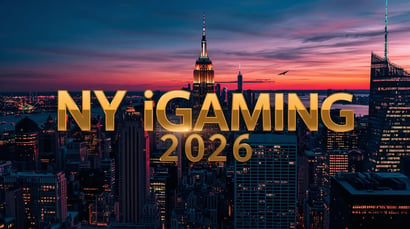
For the US online poker industry, the "White Whale" is back in play.
In a move signaling the opening salvo of the 2026 legislative season, New York State Senator Joseph Addabbo has officially pre-filed a bill to authorize online poker and casino gaming. The legislation, designed to hit the floor immediately when the session convenes in January, represents the most aggressive push yet to unlock the largest remaining regulated market in North America.
The Billion-Dollar Incentive
While similar bills stalled in committee during the 2024 and 2025 sessions, proponents believe the economic climate has shifted in their favor. New York is currently grappling with a widening budget deficit, and Addabbo’s proposal comes with a tantalizing projection: $1 billion in annual state tax revenue once the market matures.
Addabbo stated in a brief press release accompanying the filing:
We are leaving money on the table every single day. New Yorkers are already playing. They are just playing on unregulated, offshore sites that offer no consumer protection and pay zero tax to the state. It is time to bring that activity into the light.
The "Cannibalization" Myth and the Union Blockade
Despite the clear economic upside, the bill faces a familiar and formidable adversary: the Hotel and Gaming Trades Council (HTC).
The influential union, which represents thousands of workers at brick-and-mortar casinos, has historically opposed iGaming, citing fears that digital options will "cannibalize" physical revenue and threaten jobs. This political blockade has been the primary reason previous attempts failed to gain traction with Governor Kathy Hochul.
To neutralize this opposition, the 2026 bill includes a significant concession: a $25 million Employee Training and Safety Fund. This earmarked revenue is designed to reassure the HTC that the digital expansion will support, rather than replace, the physical workforce. Whether this financial olive branch is enough to sway the union leadership remains the defining question of the session.
What This Means for Poker Players
If passed, New York would immediately reshape the landscape of US poker.
- Market Size: With a population of nearly 20 million, New York would become the largest regulated jurisdiction in North America, eclipsing Pennsylvania, Michigan, and New Jersey.
- MSIGA Potential: While the initial bill focuses on regulation, the long-term goal is entry into the Multi-State Internet Gaming Agreement (MSIGA). Adding New York's liquidity to the existing pool would likely create prize pools rivaling international networks, potentially forcing neighboring states like Massachusetts and Connecticut to regulate in self-defense.
The Road Ahead
The bill is expected to be referred to the Racing, Gaming and Wagering Committee in early January. Industry eyes will then turn to Governor Hochul’s Executive Budget address to see if iGaming revenue is included, a signal that would indicate the administration is finally ready to embrace the future of gambling.
NY iGaming Push 2026 FAQs
When would online poker launch in New York if this bill passes?
If the bill passes during the 2026 session (ending in June), a realistic launch timeline would be early-to-mid 2027, allowing time for the New York State Gaming Commission to draft regulations and issue licenses.
Who opposes online poker in New York?
The primary opposition comes from the Hotel and Gaming Trades Council (HTC), a powerful union representing casino workers.1 They fear that online gaming will reduce foot traffic to physical casinos, putting jobs at risk.
How much tax revenue would NY make from iGaming?
Senator Addabbo’s bill projects approximately $1 billion annually in tax revenue for the state, derived from a proposed tax rate on operators (historically proposed around 30.5%).
Will New York share player pools with New Jersey and Michigan?
The bill authorizes the state to enter reciprocal agreements. However, New York would likely launch as a "ring-fenced" (standalone) market first before joining the Multi-State Internet Gaming Agreement (MSIGA) to share liquidity.
Upcoming Events
19 June 2026
Road to Banco €550 Poker
Poker-SM Live 2026 Goes More International: Open For All €250K Banco Championship
20 June 2026
888poker $300GTD Freebuy Poker
A Community Freebuy Worth Marking Down: PokerHeaven’s $300 GTD on 888poker
WSOP Circuit Tallin 2026 Poker
Chasing the Gold Rings: A Complete Guide to WSOP Circuit Tallinn 2026
Irish Open Australia 2026 Poker
Irish Open Goes Global: Inaugural Sydney Schedule Features 40+ Tournaments
European Mixed Poker Championship 2026 Poker
Tallinn to Host Inaugural European Mixed Poker Championship 2026 This October
Battle of Malta Autumn Edition 2026 Poker
What to Expect from the Battle of Malta October 2026 Autumn Edition
APT Championship Taipei 2026 Poker
APT Championship Taipei 2026 Set to Ignite Asia Poker Arena with TWD 165M GTD Main Event
Poker EventsStarts in
Latest News
-
 Stake Freebuy
 -
Poker-SM Live 2026Poker-SM Live 2026 Goes More International: Open For All €250K Banco Championship18 Jun 2026Read More
-
BasePoker FreerollsBasePoker Weekly Freerolls: Everything You Need to Know15 Jun 2026Read More
-
FreerollBoost Your Bankroll with Two Exclusive Weekly Freerolls at BCPoker15 Jun 2026Read More
-
PokerStars Open MalagaPokerStars Open Malaga Aims for Another Record-Breaking Year10 Feb 2026Read More