
Grind in PokerWired x Stake Poker $250 GTD Freebuy on Friday
15 Jun 2026Read More
US Online Poker Is Edging Into the Mainstream
- Six states offer legal real-money online poker; two more expected by 2026.
- Tech advancements face regulatory hurdles, but promise enhanced gaming experience.
- Balancing regulation and innovation is crucial for a robust market.
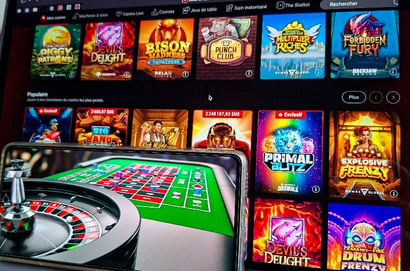
The legal U.S. online‑poker scene is growing, even with scandals and crackdowns in the headlines. Six states let you play real‑money online poker today: Nevada, New Jersey, Michigan, Pennsylvania, West Virginia and Delaware. Two more, Connecticut and Rhode Island, are building rules and are expected to go live in 2026.
Why Shared Player Pools Matter
The Multi‑State Internet Gaming Agreement (MSIGA) lets member states combine their player pools. Bigger pools mean more games running, faster fills, and healthier prize pools. When Michigan joined in 2024, cross‑state traffic finally ticked up after years of flat numbers.
If more states work together, analysts think total market revenue could grow from about US$5.3 billion in 2024 to more than US$11 billion by 2030.
Tech That Players Actually Care About
Two ideas keep coming up: blockchain payments and “provably fair” random‑number systems. In theory, both help trust the game. On‑chain rails can speed up deposits and withdrawals. Verifiable randomness helps players believe the shuffle.
In practice, crypto is still limited by anti‑money‑laundering rules and the lack of clear federal guidance on wagering with digital assets. Until that changes, expect careful pilots rather than a full switch.
The Pull of Offshore Sites
Younger players like fast, low‑friction payments. Offshore sites lean into that, add aggressive influencer marketing, and pick up liquidity even when they are not licensed.
That is the danger: the games can look great on the surface, but you lose the backing of a regulator when something goes wrong.
What Regulated Rooms Are Improving
Licensed operators are getting better at consumer‑protection basics: real‑time checks on risky patterns, stronger affordability tools, and clearer self‑exclusion options. Those are good for the ecosystem.
The open question is speed. Offshore sites can ship features faster because they skip the compliance work. Regulated rooms need to prove they can protect players without killing product momentum.
The State of Play
Right now the market is split in two. The domestic, regulated tier is steady, safe and slowly expanding. The offshore tier is quick, flashy and lightly supervised.
The task for policymakers is to let innovation happen inside the licensed market while keeping integrity high. If they manage that, player pools grow, games stay fair, and more of the action moves onshore where the community has recourse when it matters.
Upcoming Events
19 June 2026
Road to Banco €550 Poker
Poker-SM Live 2026 Goes More International: Open For All €250K Banco Championship
888poker $300GTD Freebuy Poker
A Community Freebuy Worth Marking Down: PokerHeaven’s $300 GTD on 888poker
WSOP Circuit Tallin 2026 Poker
Chasing the Gold Rings: A Complete Guide to WSOP Circuit Tallinn 2026
Irish Open Australia 2026 Poker
Irish Open Goes Global: Inaugural Sydney Schedule Features 40+ Tournaments
European Mixed Poker Championship 2026 Poker
Tallinn to Host Inaugural European Mixed Poker Championship 2026 This October
Battle of Malta Autumn Edition 2026 Poker
What to Expect from the Battle of Malta October 2026 Autumn Edition
APT Championship Taipei 2026 Poker
APT Championship Taipei 2026 Set to Ignite Asia Poker Arena with TWD 165M GTD Main Event
Poker EventsStarts in
Latest News
-
 Stake Freebuy
 -
Poker-SM Live 2026Poker-SM Live 2026 Goes More International: Open For All €250K Banco Championship18 Jun 2026Read More
-
BasePoker FreerollsBasePoker Weekly Freerolls: Everything You Need to Know15 Jun 2026Read More
-
FreerollBoost Your Bankroll with Two Exclusive Weekly Freerolls at BCPoker15 Jun 2026Read More
-
PokerStars Open MalagaPokerStars Open Malaga Aims for Another Record-Breaking Year10 Feb 2026Read More